H.H.’s sartorial wisdom is well documented, but I cannot take my eyes off the (many) shoes of ❝The Best Dressed Royals❞
August 18, 2026
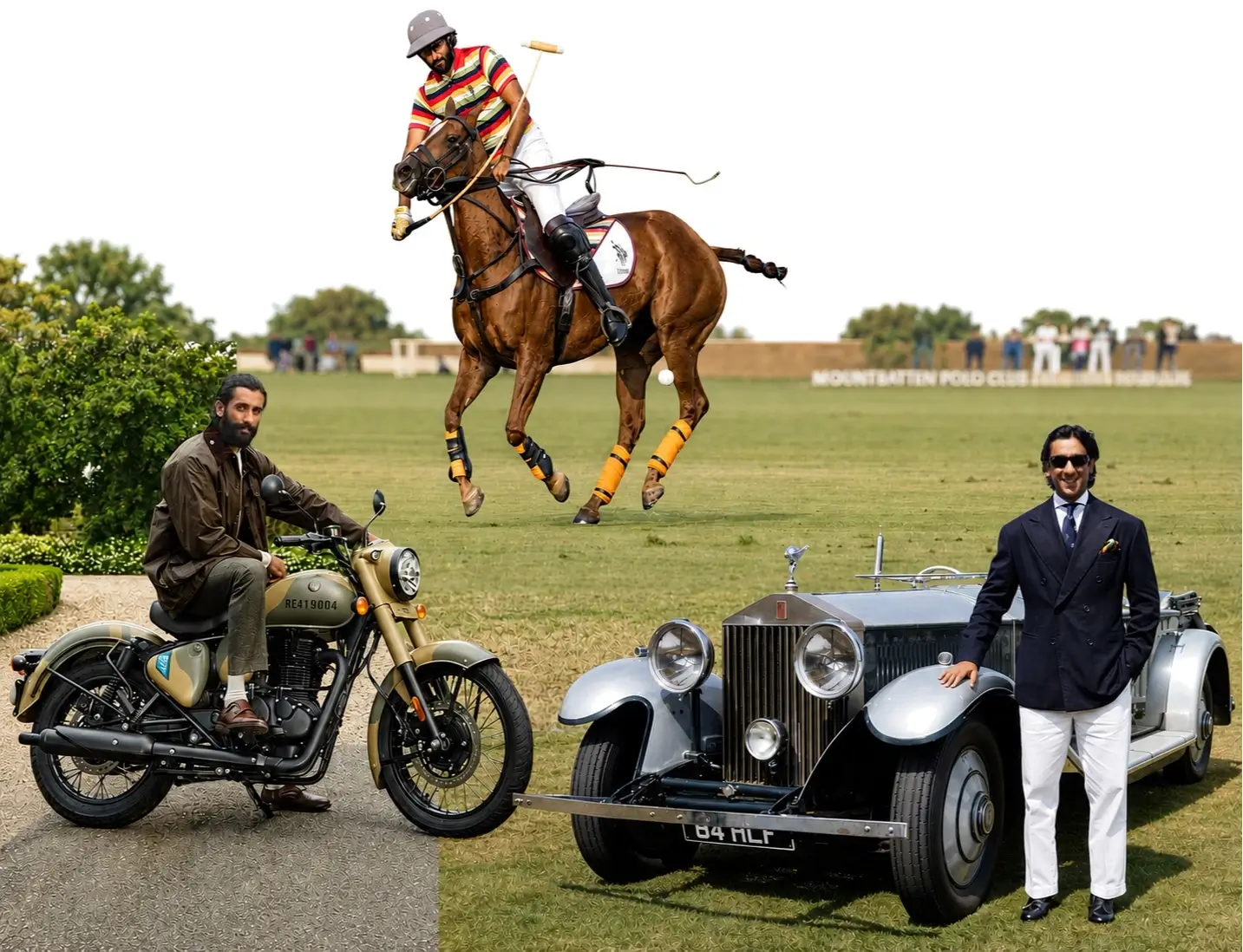
Title—inherent and/or earned. I realized how important it is to earn an honor when I became aware of the weight of my inherent title: sole heir to a self-made stone empire.
There, my efforts are attributed to his foundation. Here, even BestShoe99’s smallest win is mine and not tied to a pre-existing blueprint.
I am not digressing—this is an embodiment of what a young king might undergo if he is not an elite-level polo player, a global fashion and cultural ambassador, or a social entrepreneur.
Maharaja Sahib’s centuries-long royal lineage, vast ancestral estate, and cultural status create a sense of wonder that no modern celebrity or elected politician ever can.
Under the weight of an inherited throne, it becomes extraordinarily difficult to answer the internal question: “Who am I without this crown?”
Finding an answer is far more arduous for a modern-day monarch who can fail but privately, as Prince Harry famously referred to royal life as “a cross between The Truman Show and living in a zoo.”
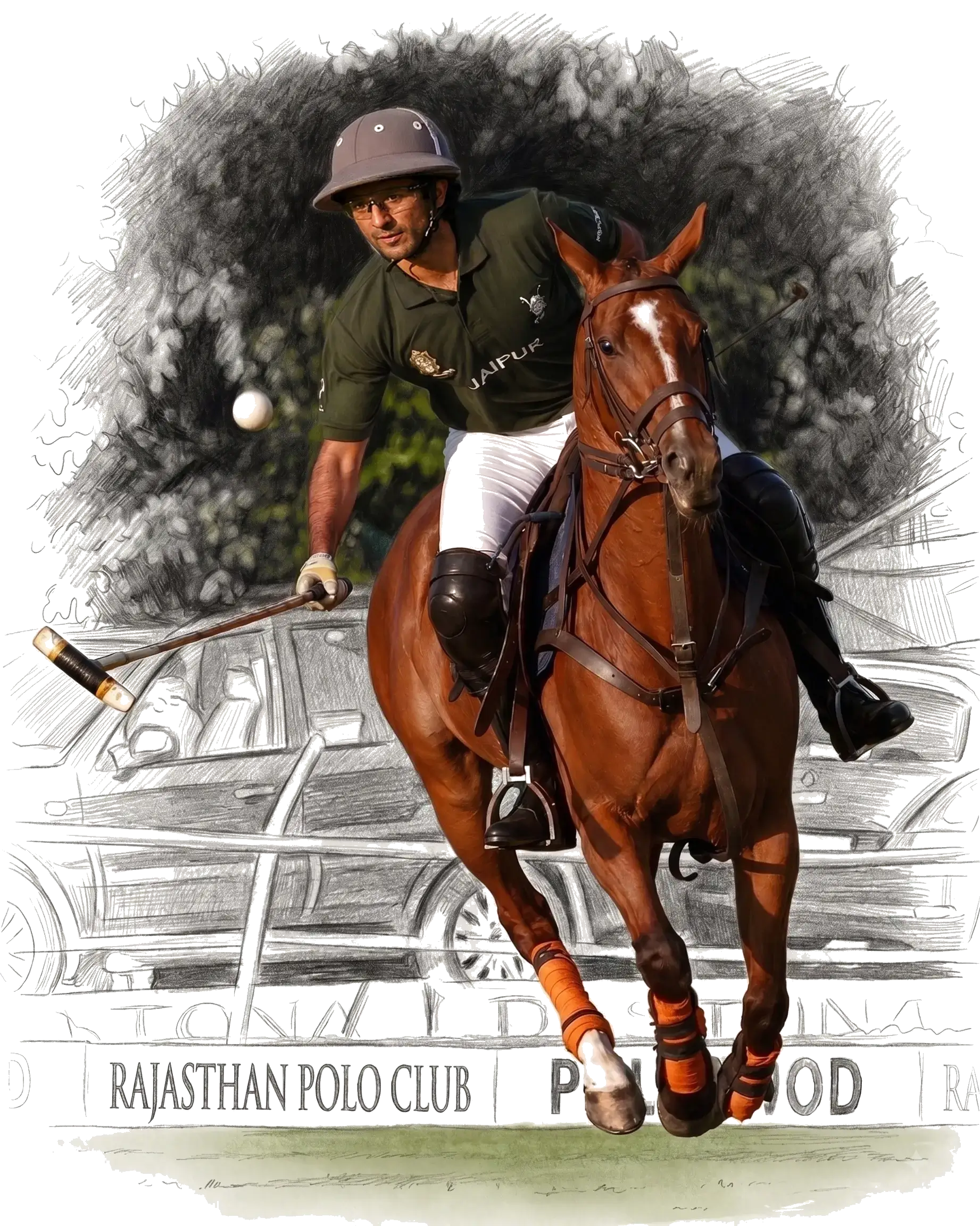
While most modern monarchs define their worth by adopting major global or national issues—mostly environmental conservation—Maharaja Sahib conquered polo: The game of kings.
For centuries, this game has always belonged to the rich and the privileged few, but never favoured anyone. The scoreboard doesn’t care about bloodline; achievements belong strictly to him and command respect even from critics of royalty.
Maharaja Sahib himself has remarked regarding his life on the polo field: “On the polo field, you’re just yourself with the horse and seven other players; nobody cares who you are, where you come from, or what weight you carry.”
A powerful synthesis of heritage, intrinsic passion, and a drive for self-validation propelled Maharaja Sahib to surreal achievements on the polo field—all thoroughly chronicled.
But I’d mention some special ones: at just 19 years old, Maharaja Sahib became the youngest player ever to captain the Indian National Polo team.
The youngest member of a World Cup polo squad and the youngest player ever to win the prestigious Indian Open Polo Cup.
He secured roughly a hundred tournament titles playing in India, the UK (Guards Polo Club), Europe, Africa, and Australia.
All of which made the title of Global Brand Ambassador for U.S. Polo Assn. not just fitting, but virtually inevitable.
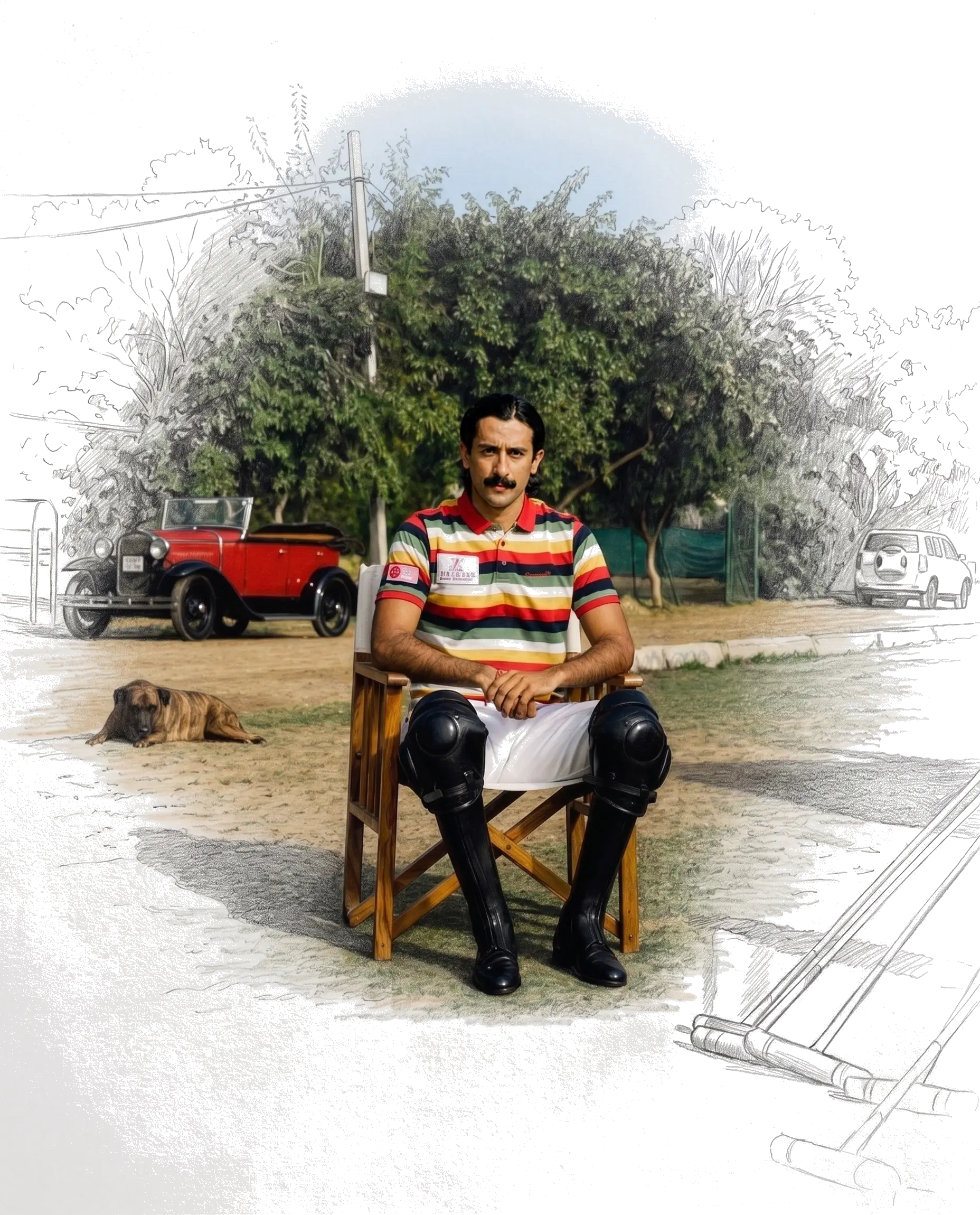
From there, the world of high fashion became an inevitable domain as well. Luxury brands don’t just sell clothes; they sell status, narrative, and an aspirational lifestyle.
Maharaja Sahib’s royal heritage carries a timeless elegance and grandeur that luxury brands spend millions to simulate artificially.
On top of that, his polo career adds a layer of dynamic energy and active accomplishment. All of this makes him a dream ambassador for global luxury.
Attending the Met Gala, walking the runway for Dolce & Gabbana, featuring in international editorials for Vogue, GQ, and Esquire, and collaborating with fashion houses like Giorgio Armani, Missoni, and Zegna—all of that is impressive, but it’s those Royal Enfield clips that hit different.
He manages cultural heritage trusts and leverages his public persona to boost Rajasthan’s tourism economy. What else can I say other than there is no one like him?
That fame invites constant scrutiny in the digital age, when every outing is photographed, judged, and broadcast—dressing carries significantly higher strategic and personal stakes than it does for an average person.
Young and lean, the preternatural physical confidence of Maharaja Sahib, which makes simple clothes look good and good clothes look excellent, helps in achieving a well-put-together look relatively easily.
It helps, but doesn’t guarantee it. He is king, and the king has style.
Anti-royalist readers might grumble that he might have someone to lay out the clothes; however, I think it is being done at his behest, to his taste, and he certainly cares about what it is.
There was a predictable flood of pieces about his style. Most of them focused on his more unusual outfits. All were nicely executed, and he looks at ease in them, but they are very specific to the context—like the Phulkar coat at his Met Gala debut.
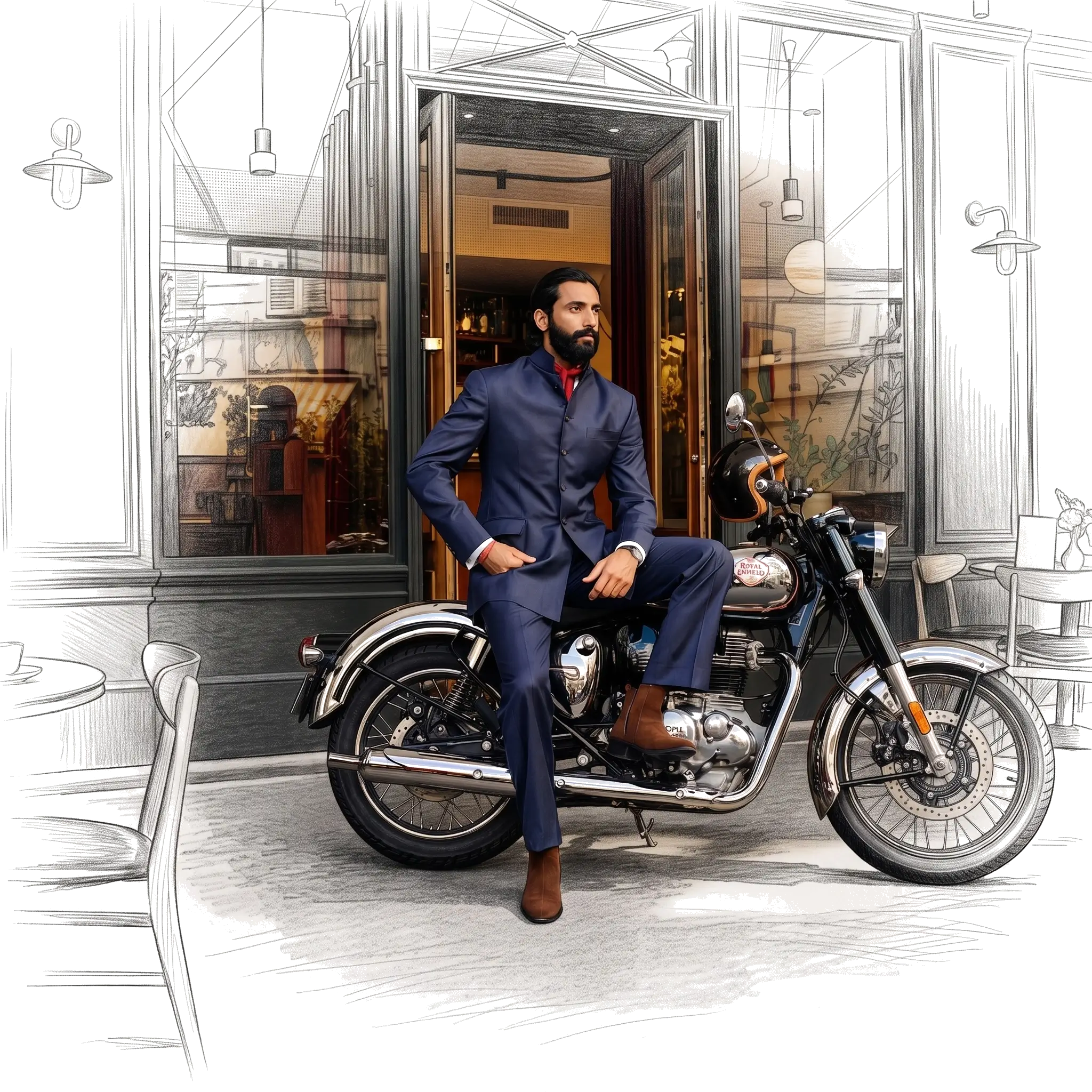
Where Maharaja Sahib really shines, where he is the master, is his simple outfits—particularly the drill cotton breeches, sharp polo shirts, and the Bandhgala after the match.
Maharaja Sahib’s taste in these, which I am a fan of, doesn’t get talked about that much. Part of the joy of covering Maharaja Sahib’s approach to these is the diversity his distinct roles grant.
Polo, of course, has given us more iconic pieces of menswear than any other sport—from the polo shirt to the polo neck, and the polo collar to the polo coat.
The Jodhpur boots and chukka boots—styles forged on India’s polo fields, even if history only half-heartedly admits it—are what I am particularly interested in.
Take polo riding boots, for example: a hyper-niche gear forged for a quiet domain. There is simply no volume to support mass production; thus, they are mostly bespoke-made.
Four layers of leather provide the thickness needed to protect the player’s leg from the potential risks of this deadly sport. They are made with an intent where elegance isn’t the top priority.
Their size and bold presence make them a focal point, dominating the overall appearance. While most players look bottom-heavy and unbalanced in polo riding boots, even on horseback, Maharaja Sahib looks harmonious.
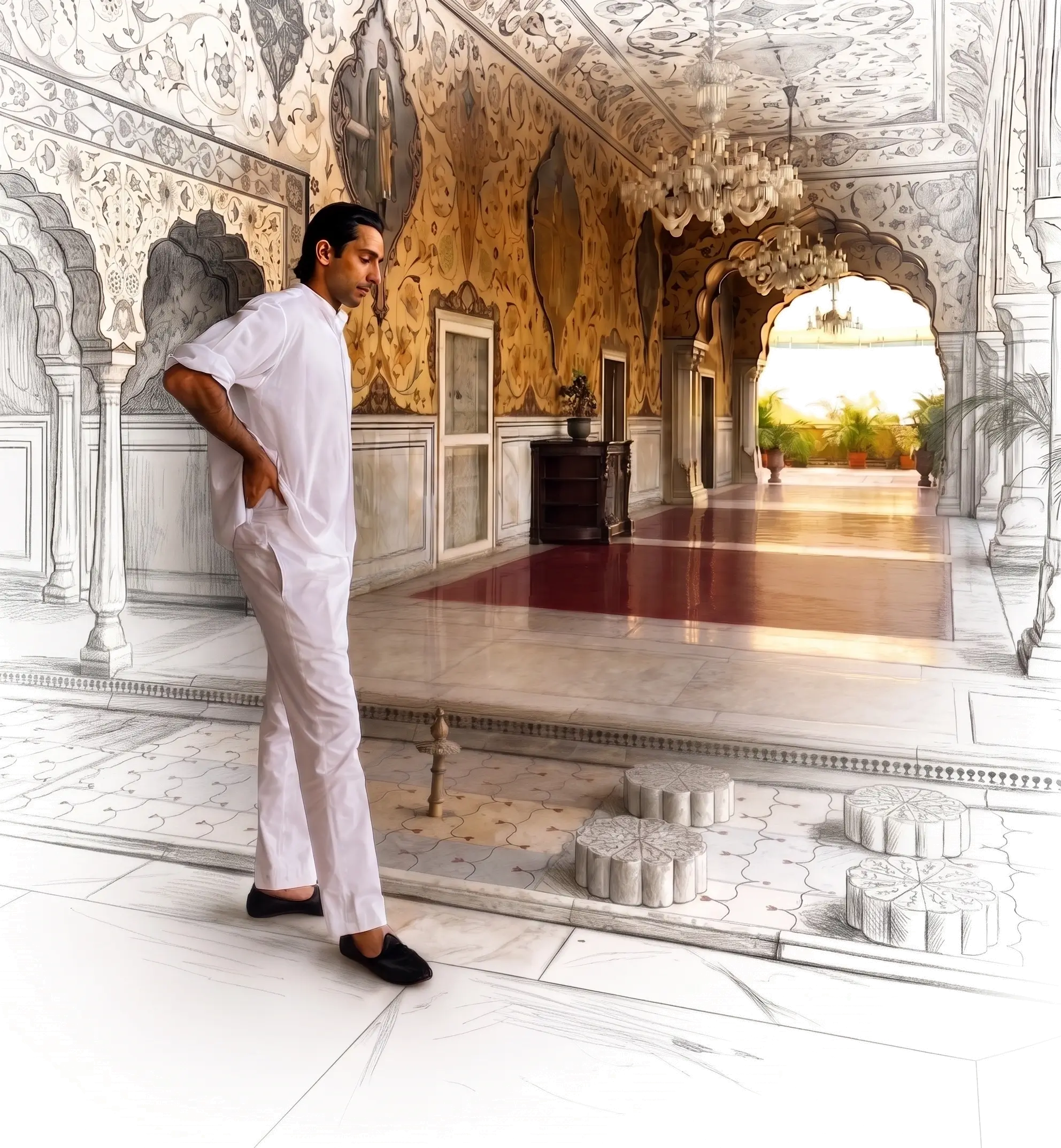
This is probably, at least in part, because of the harmony in fit and proportions. That harmony is relatively easy to achieve with ankle-length boots and shoes, but with knee-high riding boots, there is often a compromise.
There is no elastic, there are no laces, or other adjustable fastenings to help with the fit. Once zipped up, it is like a tube that can either fit well or look good.
Maharaja Sahib is a master at pulling off these complex combinations. The silhouette is sleek—not like a tall block, but contoured with shape (quite rightly so, as the human foot has shape)—and it ends just under the knee, avoiding excessive bulk.
He keeps them from becoming a focal point and rather makes them look like a combination done well and not like a costume.
I don’t think it’s any coincidence that he walks straight from the field to victory podiums, post-match high teas, and formal receptions without swapping the riding boots for, say, a chukka boot: he knows he owns that look.
The styles Maharaja Sahib opts for in other settings are rather diminutive, casual, but mostly native. Take mojris, for instance, a style he proudly declares as his go-to favorite across interviews and media.
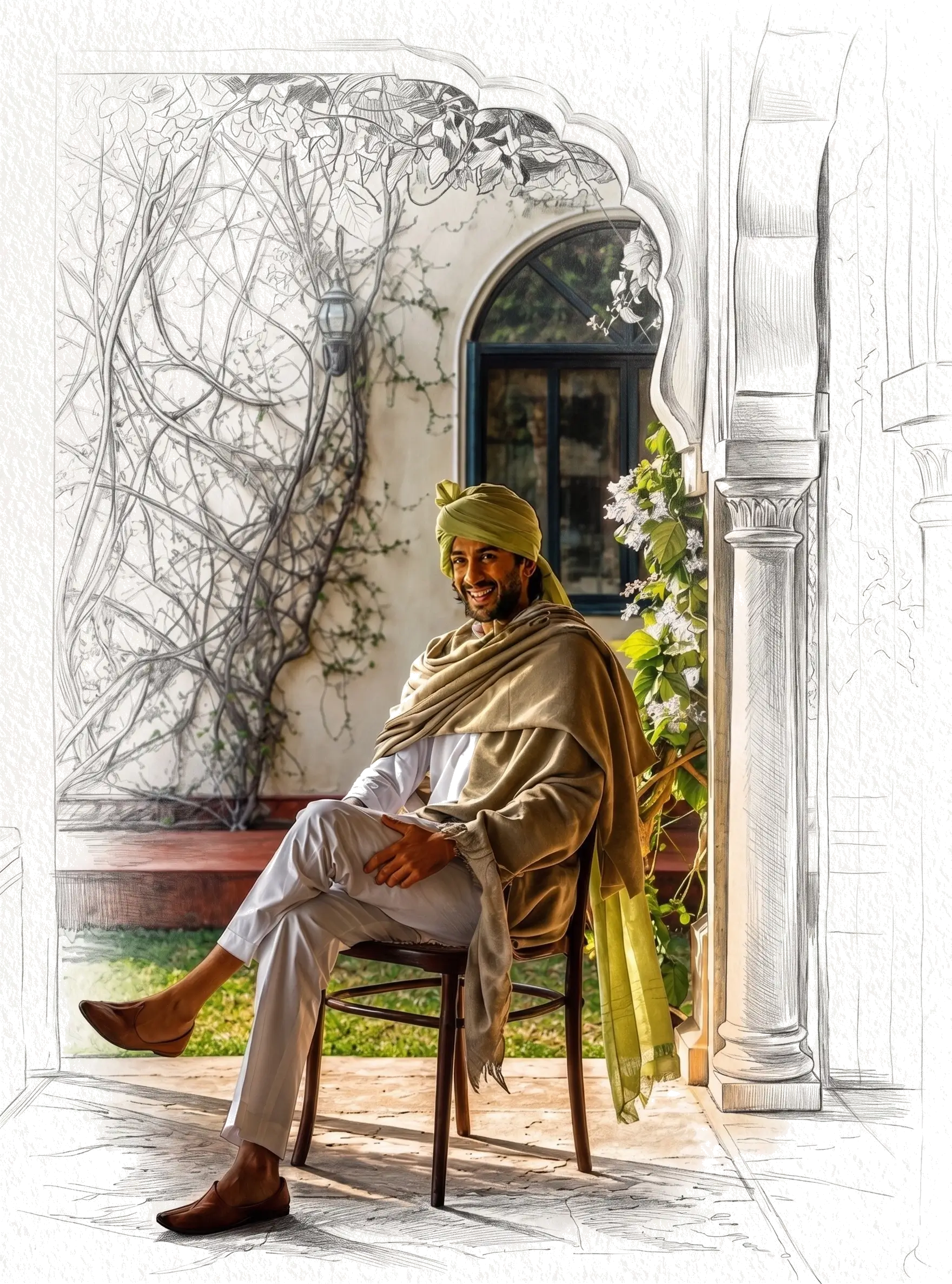
Maharaja Sahib is so fond of this native slip-on style that he couldn’t keep himself from wearing a pair to the Met Gala. There, a mojari was a natural choice, blending beautifully with the traditional tone of his stunning Phulghar Coat.
He is, I would argue, great at pulling off mojris with outfits where they are least expected.
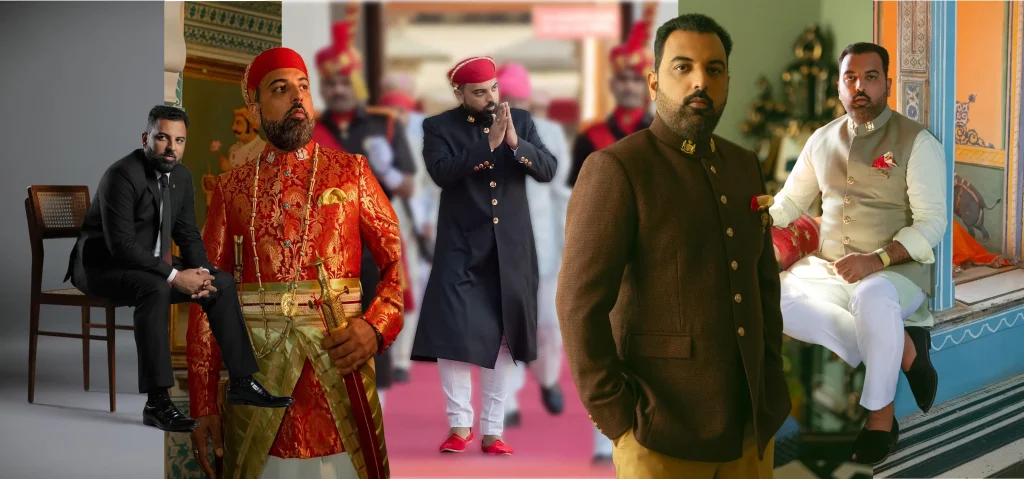
A sharply tailored royal bandhgala or a bespoke double-breasted suit is conventionally an Oxford-shoe-companion. He, however, is often spotted donning his beloved embroidered mojris (or velvet ones) with sharp tailoring.
This is risky—playing at the boundaries—but he often saves such combinations from becoming an odd visual clash by choosing mojris that pick up the color of something else in the outfit.
Interestingly, Maharaja Sahib has become noticeably more creative with harmonizing mojris and tailored outfits over the years.
The trouser hem, in recent pictures, rests partially on top of the mojri, covering its wide opening, which, in my opinion, is a subtle adjustment that creates a streamlined look.
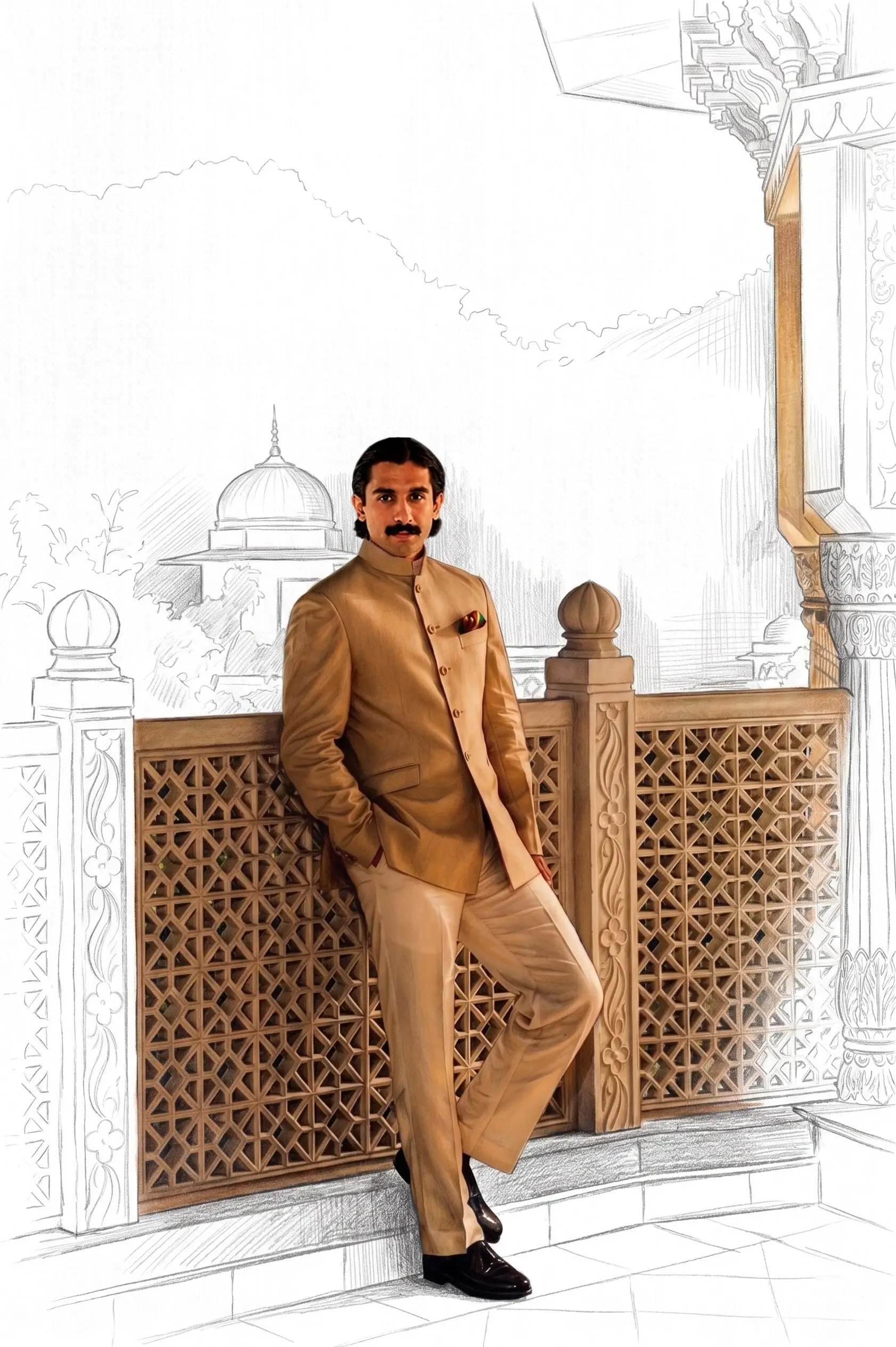
The other ways he likes wearing mojris are more conventional, but done far better. The classic kurta-pajama with camel-leather mojris is a typical livery during public appearances and royal ceremonies.
These are often flawlessly executed; he looks understated, clean, and effortless—which is rare, as it is very tempting to overdo things in this domain, leading to a fussy look.
He uses broken-in, neutral-toned mojris for such combinations, an intuitive understanding that usually comes from wearing the same style over a long period.
That is even more evident when Maharaja Sahib pairs mojris with off-duty fits; everything remains clean and understated, yet maintained. He frequently wears black mojris with linen shirts, polo tees, relaxed but tailored trousers, and his beloved farmer shirts.
Several of his mojris are made from camel leather in a village called Kalwar, Rajasthan. Most of them have developed a beautiful patina, and for him, there is no style boundary that a mojri cannot navigate.
The mojri might be one such element used to be rebellious in what he wears, or perhaps a subconscious reminder of where his heart lies. Loafers, however, are the closest deviation from it.
It is a very versatile style, thus works so well for a lot of people. But with loafers, there is a risk of looking sloppy, especially when a more distinct look is desired.
Maharaja Sahib avoids such risks by leaning heavily toward neutral and earthy tones—tan, deep tobacco brown, suede, navy, and dark olive. Rather than clashing colors, he plays with textures, as it gets boring when everything is in the same code.
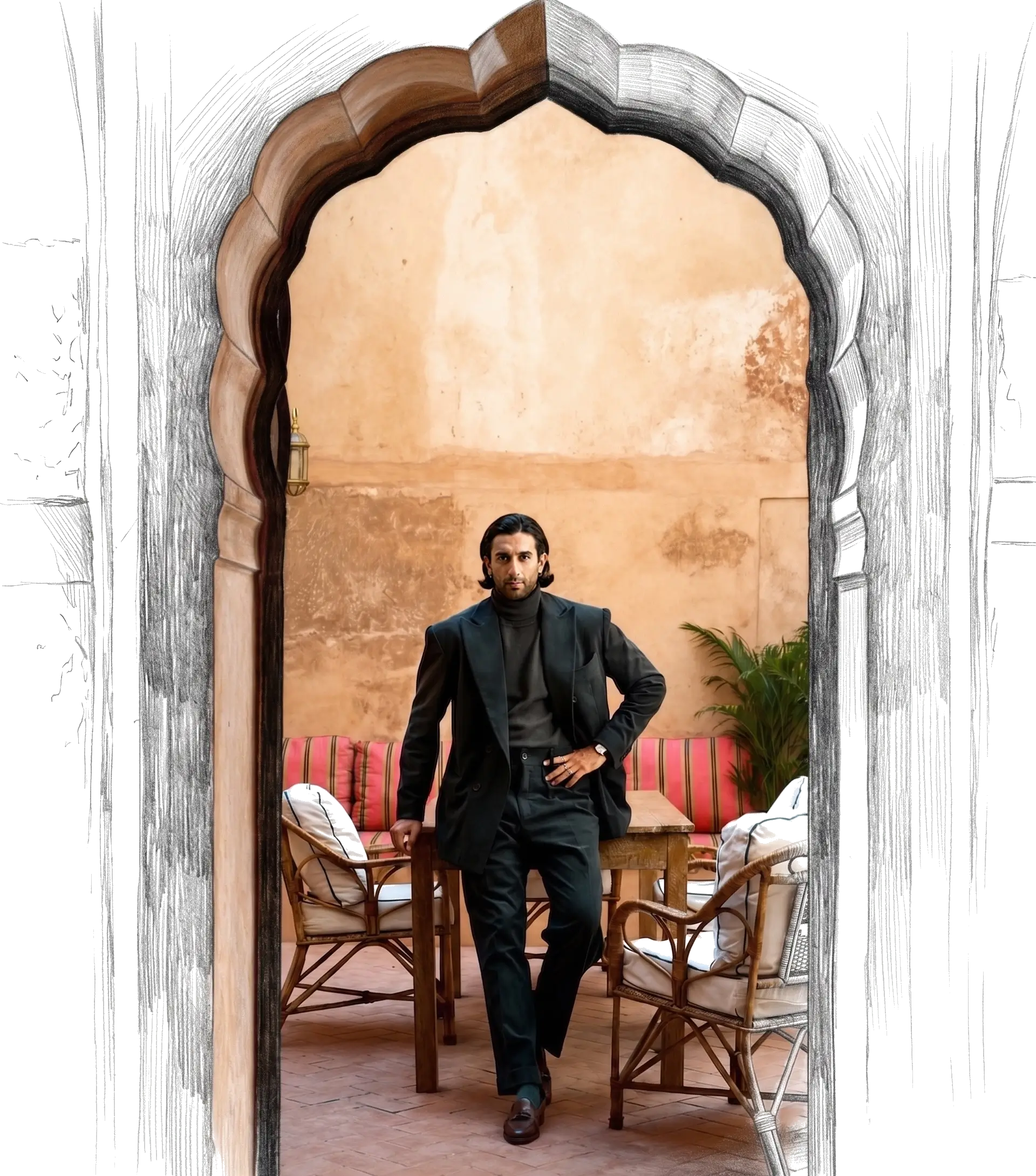
For instance, he pairs soft suede loafers with linen shirts, or smooth leather loafers with rugged denim jeans or cotton kurtas to create balance (through contrast) for combinations that might otherwise seem “stuck” in one specific style.
It is the same with other, less formal pairings, like a tailored polo tee and dark denim with tan leather driving loafers—a great way to give dimension to an outfit.
By contrasting the texture of the loafer, an otherwise relaxed fit feels much more grown-up and polished, while adding a vibrant touch to a staid ensemble.
These are styles of shoes and boots Maharaja Sahib wears often, but he frequently incorporates other styles to avoid stagnation. There are precious occasions when Maharaja Sahib is captured in elegant tailoring with sleek black Oxfords.
It is more acceptable today to wear a “creative” version of black tie, and perhaps more people are embracing it, but Maharaja Sahib never tested the norms in this domain. It shows our king has a great sense of boundaries as well.
The visual impact comes entirely from clean lines, precise proportions, and how the garment drapes over the body.
All that with very sleek, clean black calf Oxfords looks like he just stepped off the pages of a Ralph Lauren lookbook.
Nothing in this formal mode of dressing is particularly remarkable. He just looks effortlessly… correct.
Whatever styles of shoes and boots I have mentioned up to now are anything but inappropriate for a king. They all carry a natural, historic gravitas.
Maharaja Sahib has always provided the country with exemplary royal excellence when it comes to these traditional styles of footwear.
But what really stretches the mind and expands our notion of what a king can wear is when we see Maharaja Sahib pulling off casual trainers.
He has embraced casual sneakers without losing a shred of his royal appeal. This is top-level stuff—thoughtfully sophisticated dressing, as Flusser would say.
He manages to pull them off appropriately (in the context of who he is) by opting for minimalist designs: clean white court sneakers and casual low-top trainers.
The low-profile soles, absence of loud branding, and pristine white leather reflect the sleek silhouette of dress shoes. Acting as direct substitutes for loafers, these sneakers instantly relax an entire outfit.
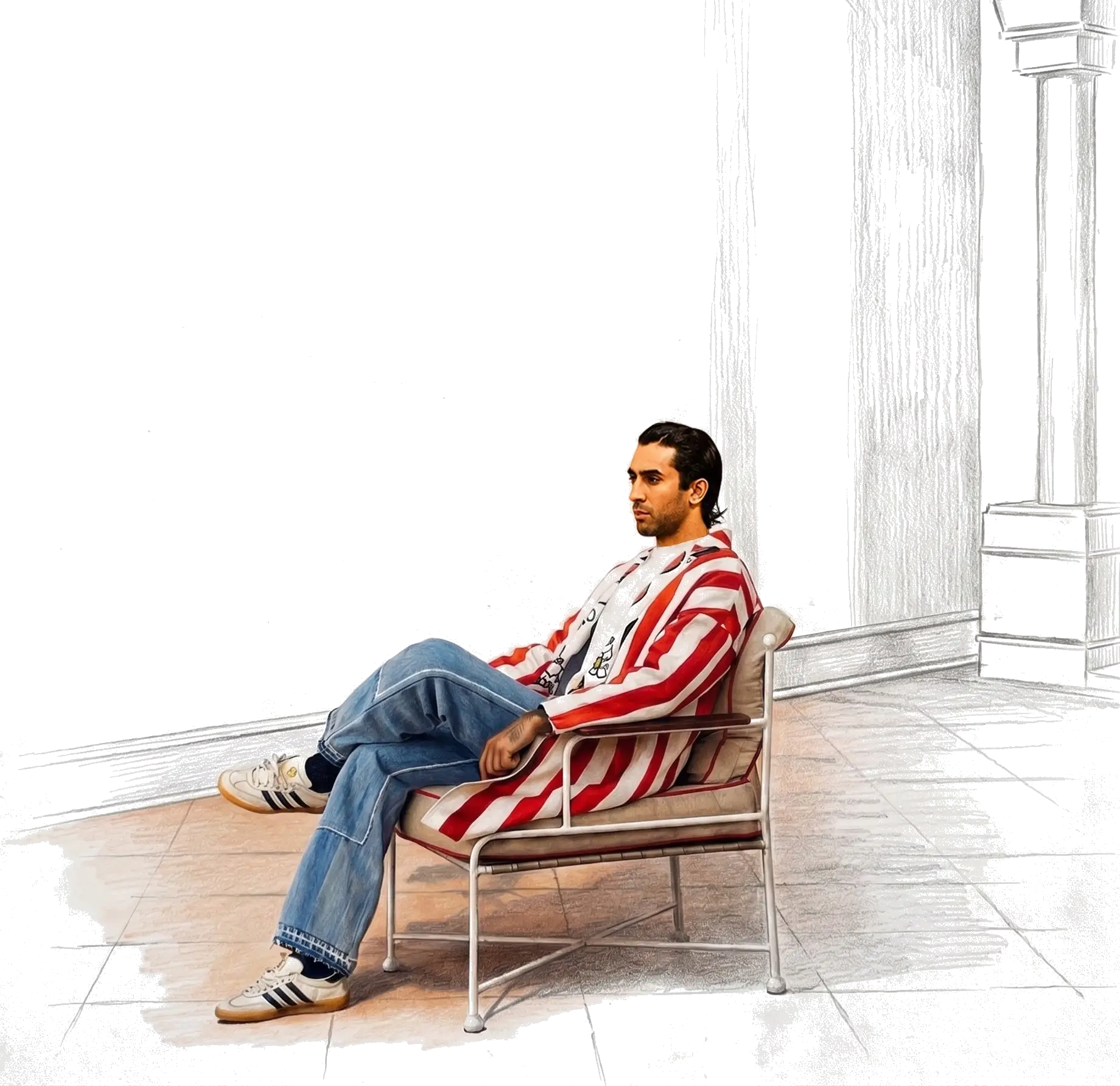
Take his Esquire India shoot, for example: a knit jumper (by Boglioli), tailored trousers (by Tod’s), and Adidas Originals (Sambas). This combination perfectly encapsulates the high-low sartorial contrast.
Another standout example is when he paired Adidas Handball Spezials with a tailored dark navy blazer and a clean crew neck. Maharaja Sahib’s casual shoe pairings are perhaps even more admirable for their attitude than their style.
When someone else dresses casual shoes in such high-low philosophy, you can see how they get many things right, but also several things wrong. We notice Maharaja Sahib’s style without struggling to do so.
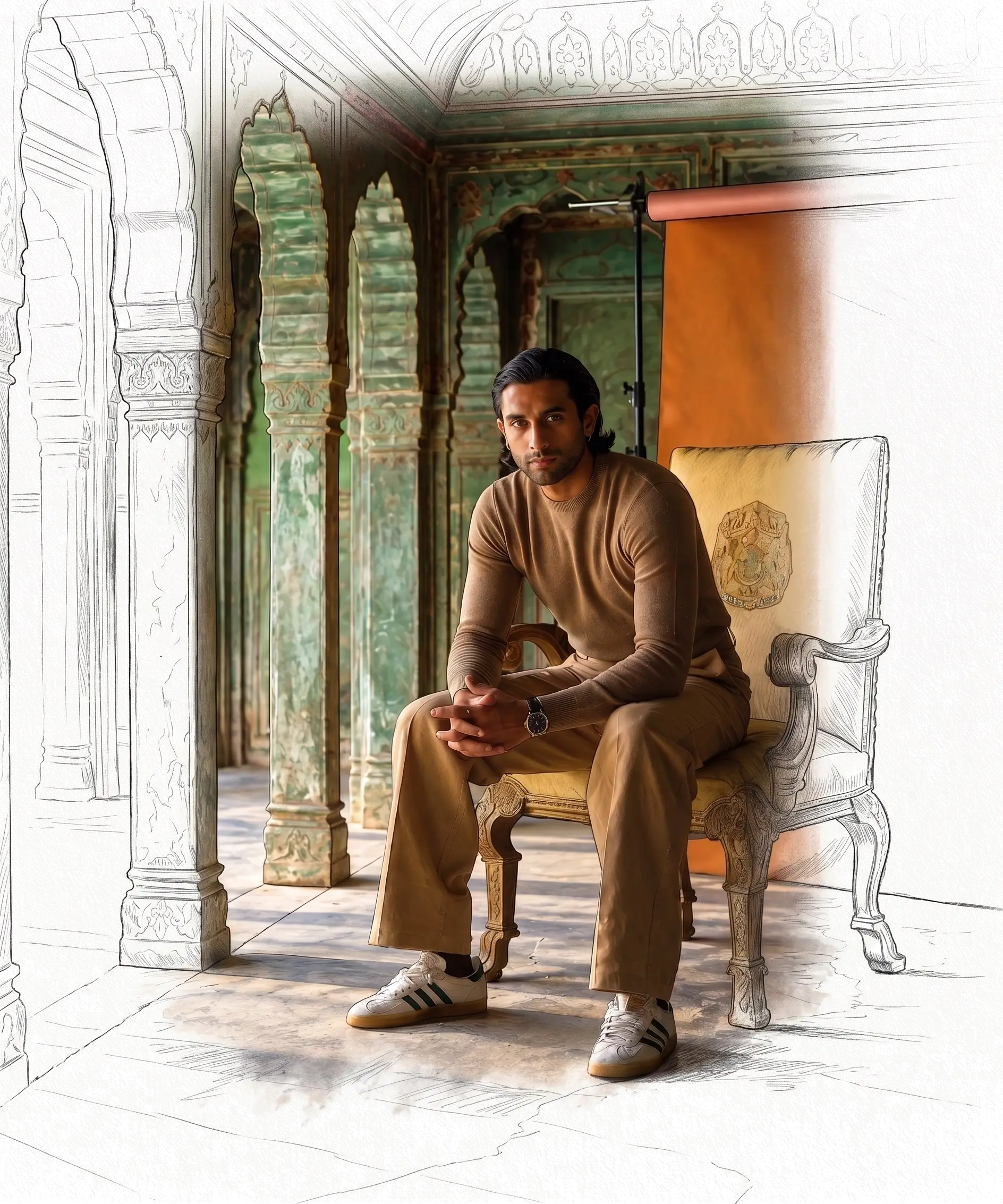
I love the tension in his outfits and the way he mixes different worlds.
So, what constitutes this art of wearing shoes well?
I don’t pretend to know the full answer, but there are a few things that I’m pretty sure contribute.
One is the fact that he is so at ease in his clothes and shoes. Not forced, not awkward, not stuffy. That authenticity alone makes all the above-mentioned combinations look like a second skin.
When magazines talk about how great he looks in, say, polo gear, what they’re often picking up on is that sense of ease.
Two is traditions and education. It doesn’t matter whether he obeys the “rules” or not—the point is that he is aware of them.
And then there is personality. The best dressers are elevated from the norm by expressing something, having a view.
For Maharaja Sahib, this comes across in texture, accessories, and his beloved essential—the mojri. He doesn’t look like a carbon copy of somebody else.
That’s it: The Best Dressed Royal. This is what he grew up with. I’m no royalist, but from a footwear perspective, I’m very proud he is our king.
You Might Also Like

How can we improve BestShoe99? Got feedback?